Meditation, Dialogue, and a Shared Future
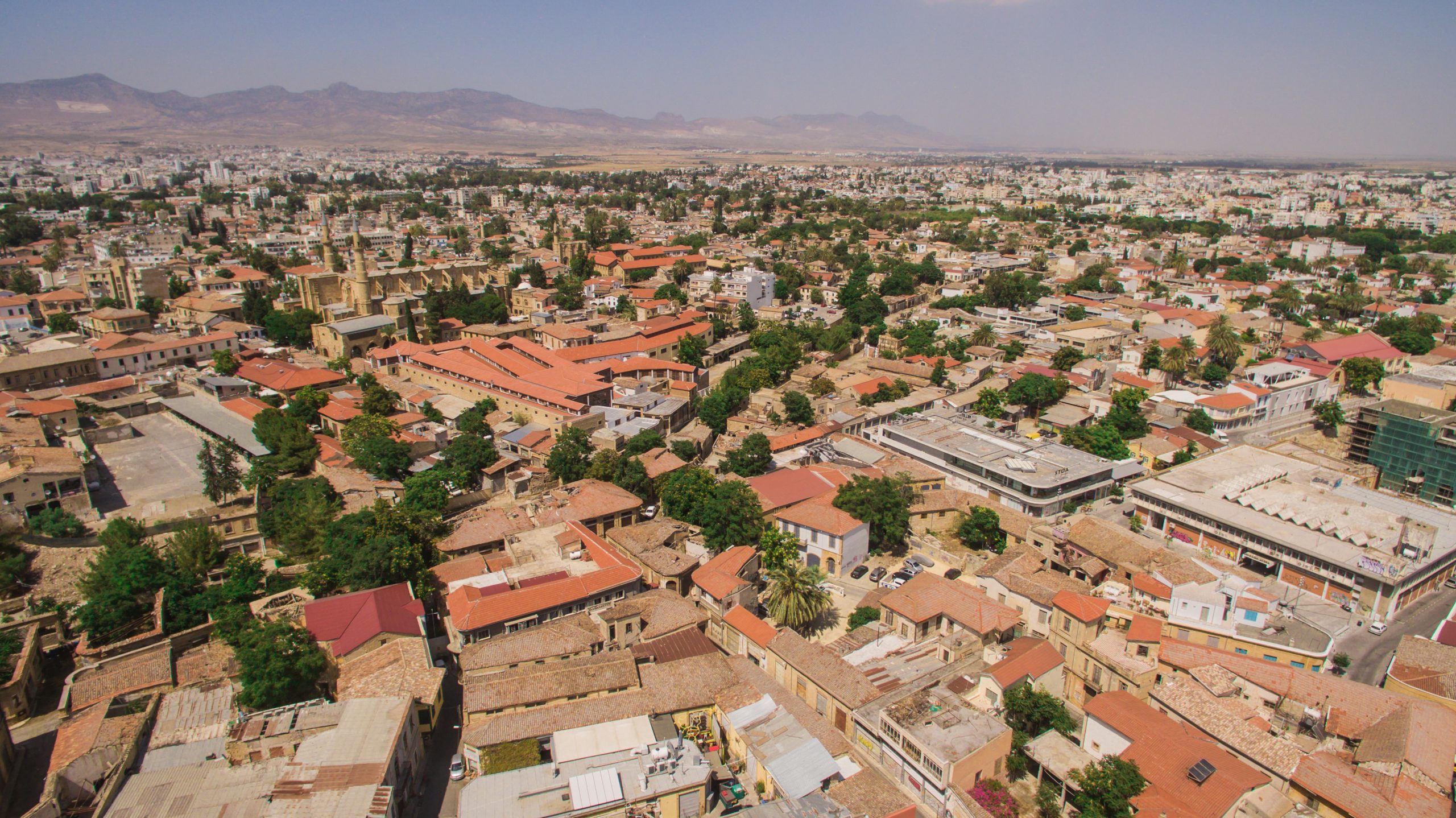
For more than fifty years, the island of Cyprus has lived with division. Since the events of 1974, the capital city of Nicosia has remained the last divided capital in the world, separated by the United Nations buffer zone that runs through its historic centre. Yet beneath the political realities, many Cypriots—both Greek and Turkish—continue to share a deeper hope: that one day the island will once again stand united.
Today, a small but meaningful step toward that spirit of unity took place.
A group of FISU meditators from the Greek Cypriot side crossed the checkpoint at Ledra Street Crossing and embarked on a four-hour guided walking tour through the northern part of the city. The walk explored the rich history, architecture, and cultural development of the Turkish Cypriot community. Moving through ancient streets, Ottoman buildings, and historic neighbourhoods, participants experienced a side of the city that many had never truly explored before.
The journey was not merely historical—it was symbolic.
For those walking together, it represented something simple yet powerful: connection beyond politics. When people meet face to face, share stories, and learn about each other’s culture and heritage, barriers begin to soften. What was once “the other side” becomes part of a shared human experience.
A Divided City, A Shared Heritage
For centuries, Greek Orthodox Christians and Muslim communities lived side by side on the island. Markets, neighbourhoods, and traditions are intertwined, creating a vibrant multicultural society. While history has left deep scars, particularly for older generations who experienced those events, the younger generation increasingly looks forward rather than back.
Many young Cypriots today travel freely across the checkpoints, study abroad together, and maintain friendships across the divide. The fact that the Republic of Cyprus is a border state of the European Union—and that Turkish Cypriots also have access to EU opportunities through Cypriot citizenship—creates an important bridge between communities and futures.
Political negotiations between the two governments continue intermittently, reflecting the complexity of reaching a final agreement. Yet on the human level, reconciliation often begins through small gestures: conversations, shared experiences, and cultural exchanges.
The Role of FISU Meditation
For over four decades, FISU Meditation has taught that inner peace naturally leads to outer harmony. When individuals learn to quiet the mind, transcend fear, and connect with their deeper humanity, relationships begin to change—not only personally but socially.
Meditation cannot replace political negotiation, but it can create the psychological conditions that make reconciliation possible: empathy, patience, and understanding.
In Cyprus, FISU has quietly supported this spirit of connection by organising events that bring people together beyond identity or ideology. Meditation gatherings, public talks, and cultural visits encourage people to meet simply as human beings.
Today’s walking tour in North Nicosia was one example of that effort.
Looking North: A Growing Opportunity
As FISU continues its work on the island, the organisation is exploring new ways to expand its presence in the north. In recent years, the coastal city of Kyrenia has emerged as the vibrant cultural and economic heart of the Turkish Cypriot community. While Nicosia historically served as the administrative and commercial centre, much of the energy and development now appears to be moving toward Kyrenia and its surrounding region.
FISU hopes to develop future meditation events and activities in the north, potentially establishing a new base there. Such initiatives would help build bridges between communities through shared learning, cultural exploration, and spiritual practice.
Moving Beyond the Past
Fifty years after the division of Cyprus, many people on both sides recognise that the future must be built by a new generation. The memories of conflict still exist, but they need not define the island’s destiny.
The Cyprus of tomorrow may well emerge through thousands of small acts of understanding—crossing a street, sharing a meal, attending a talk, or walking together through the history of a city once divided.
Peace does not begin with governments.
It begins with people.
And sometimes, it begins with a simple walk across a line on a map, discovering that the humanity on the other side is not so different from our own.